
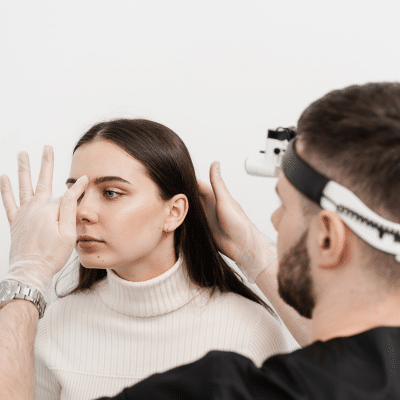
 Septoplasty is a common procedure used to correct a deviated septum, a condition that can cause breathing difficulties, frequent sinus infections and other discomforts. While the surgery itself is routine, understanding the recovery process and following proper postoperative care is essential for a successful outcome. At Commonwealth ENT, we’re committed to guiding our patients in Richmond, Midlothian, East Highland Park, Lakeside, Mechanicsville, Bon Air and Tuckahoe, VA through your recovery journey, offering insights into what to expect and tips for managing any challenges that may arise.
Immediate Septoplasty Post-Surgery Recovery
After your septoplasty, you’ll likely be able to go home the same day. You’ll need someone to drive you, as the anesthesia may take several hours to fully wear off. Here’s what to expect in the initial days following septoplasty surgery:
- Swelling and Congestion: It’s normal to feel nasal congestion and swelling, making it difficult to breathe through your nose. This usually begins to improve after the first week.
- Mild Bleeding: Some light bleeding and nasal drainage are common during the first few days. You may need to wear a small gauze pad under your nose to absorb any excess blood.
- Pain and Discomfort: You may experience mild to moderate discomfort or pain, but this can be managed with prescribed pain medications. Over-the-counter pain relievers like acetaminophen are also effective, but avoid aspirin and ibuprofen, as they can increase the risk of bleeding.
- Nasal Packing or Splints: Depending on your surgeon’s recommendation, you may have nasal packing or splints placed inside your nose to support healing. These are typically removed within a week at your follow-up appointment.
Tips for a Smooth Recovery
To promote healing and reduce the risk of complications, it’s important to follow your surgeon’s instructions carefully. Here are some general tips to speed up your recovery:
- Rest and Elevate Your Head: Rest is crucial in the first few days. Keep your head elevated, even when sleeping, to reduce swelling and help drainage. Propping yourself up with extra pillows can make resting more comfortable.
- Avoid Physical Strain: Refrain from strenuous activities, heavy lifting and exercise for at least a few weeks. Physical exertion can raise your blood pressure, leading to bleeding or delaying healing. Follow your doctor’s guidance on when it’s safe to return to normal activities.
- Don’t Blow Your Nose: Avoid blowing your nose for at least a week after surgery, as this can disturb the healing process and increase the risk of bleeding. To reduce pressure on your nose, sneeze with your mouth open.
- Use Saline Rinses: Saline nasal sprays or rinses can help keep your nasal passages clear and moist, which supports healing and reduces discomfort. Your doctor may provide you with specific instructions on how and when to use these rinses.
- Stay Hydrated and Eat Soft Foods: Drink plenty of water to stay hydrated, as this supports healing. You may find it more comfortable to stick to soft foods in the first few days, especially if your mouth or throat feels sore from the procedure.
- Avoid Smoking and Alcohol: Smoking can impair healing and increase the risk of infection, while alcohol can interfere with medications and promote bleeding. It’s best to avoid both during the recovery period.
Common Postoperative Challenges
While septoplasty recovery is generally straightforward, you may encounter a few challenges along the way. Here are some common postoperative issues and how to manage them:
- Nasal Congestion and Swelling: Congestion may persist for several weeks as the swelling inside your nose subsides. This is normal, and your breathing will gradually improve as healing progresses.
- Crusting and Dryness: You may experience some nasal crusting or dryness. Saline rinses and keeping the area clean will help manage these symptoms. Be gentle when cleaning your nose to avoid disturbing any stitches or healing tissue.
- Temporary Changes in Smell and Taste: It’s not uncommon to notice temporary changes in your sense of smell and taste due to swelling and congestion. These senses should return to normal as your recovery continues.
- Mild Discomfort: Mild facial discomfort, pressure, or headaches are possible but usually improve within the first week. If you have severe or ongoing pain, reach out to your doctor.
When to Contact Your Doctor
While most septoplasty recoveries are smooth, certain signs may indicate complications that require medical attention. Get in touch with your surgeon if you notice any of the following:
- Excessive or persistent bleeding
- Severe pain not relieved by prescribed medication
- High fever or signs of infection
- Difficulty breathing or increased swelling
- Nausea or vomiting that doesn’t improve
Long-Term Recovery and Results
While the initial recovery phase lasts about 1-2 weeks, full recovery from septoplasty can take up to 2 months as the internal swelling completely subsides. You’ll likely have a follow-up appointment with your surgeon within the first week to ensure everything is healing properly and to remove any packing or splints.
Most patients notice a significant improvement in breathing and a reduction in sinus issues within a few weeks of surgery. Additionally, many people experience better sleep and fewer sinus infections. It’s important to attend all scheduled follow-up appointments to monitor your progress and ensure a successful outcome.
Final Thoughts
Recovering from septoplasty requires patience and following proper postoperative care to ensure a smooth and successful outcome. At Commonwealth ENT in Richmond, VA, we’re here to support you through every step of your recovery. By following your surgeon’s guidance and taking care of yourself, you can look forward to improved breathing, fewer sinus problems and a better quality of life.
Septoplasty: Request Your Appointment in Richmond, VA Today
At Commonwealth ENT, we proudly serve families in Chesterfield County. If you have any concerns or need additional guidance during your septoplasty recovery, don’t hesitate to request your appointment today!