
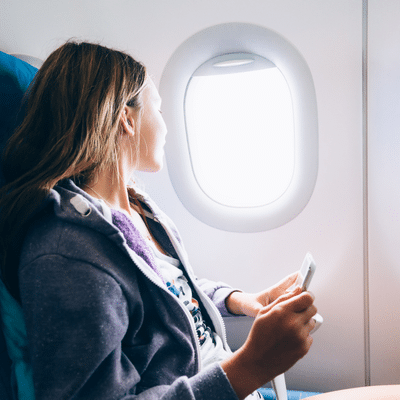
 Air travel can be an exciting part of a vacation or business trip, but changes in cabin pressure may cause uncomfortable ear and sinus symptoms. Many travelers experience ear popping, fullness, pressure, or discomfort during takeoff and landing. Learning how to prevent airplane ear helps protect your comfort and make your next flight more enjoyable.
At Commonwealth ENT in Richmond and Midlothian, VA, patients receive care for a variety of ear, nose, and throat concerns. Understanding how pressure changes affect the ears and knowing how to prevent airplane ear helps travelers prepare before boarding a flight.
Why Airplanes Cause Ear Pressure and Pain
The ears rely on small passages called eustachian tubes to regulate pressure between the middle ear and the surrounding environment. During a flight, especially during takeoff and landing, cabin pressure changes quickly. When the eustachian tubes cannot adjust properly, pressure builds behind the eardrum.
This pressure imbalance is known as ear barotrauma or airplane ear. It may cause symptoms such as ear pain, muffled hearing, fullness, or difficulty equalizing pressure. Knowing how to prevent airplane ear starts with understanding why these changes happen and what steps support normal ear function.
What Is Airplane Ear?
Airplane ear occurs when the pressure inside the middle ear does not match the pressure outside the body. This happens when swelling, congestion, allergies, or sinus problems prevent the eustachian tubes from opening normally.
People who are traveling with a cold, sinus infection, or nasal congestion may be more likely to experience discomfort, because blocked nasal passages can make pressure equalization more difficult. Learning how to prevent airplane wear before your trip may help reduce symptoms and improve your overall travel experience.
Prevention Tips
Taking a few simple precautions before and during your flight helps your ears adjust to pressure changes more comfortably. These steps are key to learning how to prevent airplane ear, especially during takeoff and landing when pressure changes are most noticeable.
Swallow, Yawn, or Chew During Takeoff and Landing
Swallowing and yawning activate muscles that help open the eustachian tubes. Chewing gum, drinking water, or sucking on a piece of candy encourages frequent swallowing and helps your ears adjust.
These simple actions are among the most effective ways to support pressure balance and are an important part of how to prevent airplane ear.
Avoid Flying While Congested
Nasal congestion from allergies, colds, or sinus issues makes it harder for your ears to equalize pressure. If possible, avoid flying when you are experiencing significant congestion or discuss options with an ENT specialist before traveling.
Managing underlying nasal and sinus concerns plays an important role in prevention and reduce discomfort during flights.
Stay Awake During Takeoff and Landing
Pressure changes are often most noticeable during takeoff and descent. Staying awake allows you to actively swallow, yawn, and adjust your ears as needed.
Being proactive during takeoff and landing with simple pressure-relieving techniques helps you understand how to prevent airplane ear and avoid unnecessary discomfort.
Stay Hydrated During Travel
Airplane cabins have dry air that may contribute to throat and nasal irritation. Drinking water throughout your trip can help keep your nose and throat more comfortable while supporting normal ear function.
Adding proper hydration to your travel routine is another helpful step when learning how to prevent airplane ear.
Protecting Your Sinuses While Flying
Sinus pressure can also become uncomfortable during air travel. When congestion blocks normal sinus drainage, pressure changes may lead to discomfort around the forehead, cheeks, or nose.
Travelers with allergies or ongoing sinus concerns should prepare before flying and follow recommended treatments. Taking care of sinus health supports better comfort and is another consideration when learning how to prevent airplane ear.
When to See an ENT Specialist
Most airplane-related ear pressure improves once the flight is complete and pressure levels return to normal. However, persistent ear pain, hearing changes, dizziness, or ongoing fullness may require evaluation.
At Commonwealth ENT in Richmond and Midlothian, VA, patients receive specialized care for ear and sinus concerns that affect daily comfort and quality of life. If you frequently experience discomfort while flying, an ENT specialist helps determine the cause and recommend appropriate solutions.
Learn How to Prevent Airplane Ear: Request Your Appointment Today
Understanding how to prevent airplane ear helps you take proactive steps before your next trip. Whether you are a frequent traveler or preparing for a family vacation, protecting your ears during flights makes the journey more comfortable.
By preparing ahead, managing congestion, and using simple pressure-equalizing techniques, you reduce the chance of ear discomfort and enjoy a smoother travel experience. Knowing how to prevent airplane ear gives you the tools to protect your hearing and maintain ear health wherever your travels take you. Contact us today to schedule your appointment.