
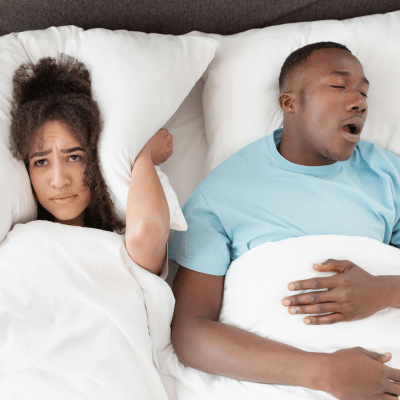
 Snoring and sleep apnea are common sleep disorders that can have a significant impact on overall health and well-being. At Commonwealth ENT, we specialize in addressing conditions affecting the ear, nose and throat, including snoring and sleep apnea. In this blog post, we’ll explore the connection between them and ENT health, as well as discuss treatments and lifestyle changes to improve sleep quality for our patients in Richmond, Midlothian, East Highland Park, Lakeside, Mechanicsville, Bon Air and Tuckahoe, VA.
The Connection Between the Two
Snoring is the noisy breathing sound that occurs when the flow of air through the mouth and nose is obstructed during sleep. While occasional snoring is common and may not be cause for concern, chronic snoring can be a symptom of an underlying sleep disorder known as obstructive sleep apnea (OSA).
OSA occurs when the airway becomes partially or completely blocked during sleep, leading to pauses in breathing or shallow breathing. These interruptions in breathing can disrupt sleep patterns and decrease oxygen levels in the bloodstream, resulting in fragmented sleep and daytime fatigue.
Causes
Several factors can contribute to the two, including:
- Obesity: Excess weight, particularly around the neck and throat area, can increase the risk of airway obstruction during sleep.
- Anatomical Factors: Structural abnormalities in the nose, throat, or jaw, such as enlarged tonsils, deviated septum, or a recessed chin, can narrow the airway and contribute to these two conditions.
- Age: As we age, the muscles and tissues in the throat may become weaker, leading to an increased likelihood of airway collapse during sleep.
- Alcohol and Sedative Use: Alcohol consumption and the use of sedatives or muscle relaxants can relax the muscles in the throat, making airway collapse more likely.
- Smoking: Smoking irritates the throat tissues and can lead to inflammation and swelling, further narrowing the airway and increasing the risk of snoring and sleep apnea.
Solutions for Snoring and Sleep Apnea
- Continuous Positive Airway Pressure (CPAP) Therapy: CPAP therapy, a prevalent treatment for sleep apnea, entails wearing a mask linked to a device that delivers a steady stream of air, ensuring the airway remains open throughout sleep.
- Oral Appliances: Oral appliances, such as mandibular advancement devices, are custom-fitted devices that are worn in the mouth during sleep to reposition the jaw and tongue and keep the airway open.
- Surgery: In some cases, surgical intervention may be necessary to address anatomical issues contributing to snoring and sleep apnea, such as tonsillectomy, adenoidectomy, or corrective jaw surgery.
- Lifestyle Changes: Making lifestyle modifications such as losing weight, avoiding alcohol and sedatives before bedtime, sleeping on your side instead of your back, and quitting smoking can help reduce the severity of snoring and sleep apnea.
Importance of ENT Health in Snoring and Sleep Apnea
The ear, nose and throat are closely interconnected, and issues affecting one area can impact sleep quality and overall health. ENT evaluation is essential for accurately diagnosing and treating snoring and sleep apnea, as well as addressing any underlying anatomical abnormalities or conditions contributing to these disorders.
Request Your Appointment in Richmond, VA Today
Snoring and sleep apnea can significantly impact sleep quality, daytime functioning, and overall health. At Commonwealth ENT, we proudly serve families in Chesterfield County. We are committed to helping patients effectively manage these conditions and improve their quality of life. If you or a loved one are experiencing snoring, sleep apnea, or related ENT issues, please don’t hesitate to request an appointment. Our experienced team is here to provide compassionate care and support to help you achieve restful, refreshing sleep for years to come.